Choosing the Right Power: Stihl Gas Lawn Mower vs. Battery Models
August 19, 2026

August 19, 2026

The landscape of lawn maintenance is shifting as homeowners face a pivotal choice: traditional gas engines or modern battery innovation. Stihl, a leader in outdoor power equipment, has perfected both platforms to meet diverse landscaping needs. Selecting the right power source depends on your property size, noise tolerance, and maintenance preferences. At Green Giant, we help you weigh these factors to ensure your investment delivers a pristine cut every time. Whether you prioritize the raw endurance of internal combustion or the quiet efficiency of lithium-ion, understanding the technical nuances of each Stihl model is the first step toward effortless summer yard work.

Performance and Raw Cutting Torque


Gas-powered Stihl mowers remain the gold standard for heavy-duty tasks and tall, thick grass. These machines offer consistent torque that doesn’t diminish as the fuel tank empties, making them ideal for challenging terrain. In contrast, Stihl’s AP-Series battery mowers provide instantaneous torque and impressive blade speeds. While battery tech has closed the gap significantly, gas models still hold a slight edge for overgrown areas where maximum mechanical force is required to prevent stalling and ensure a clean, one-pass cut.

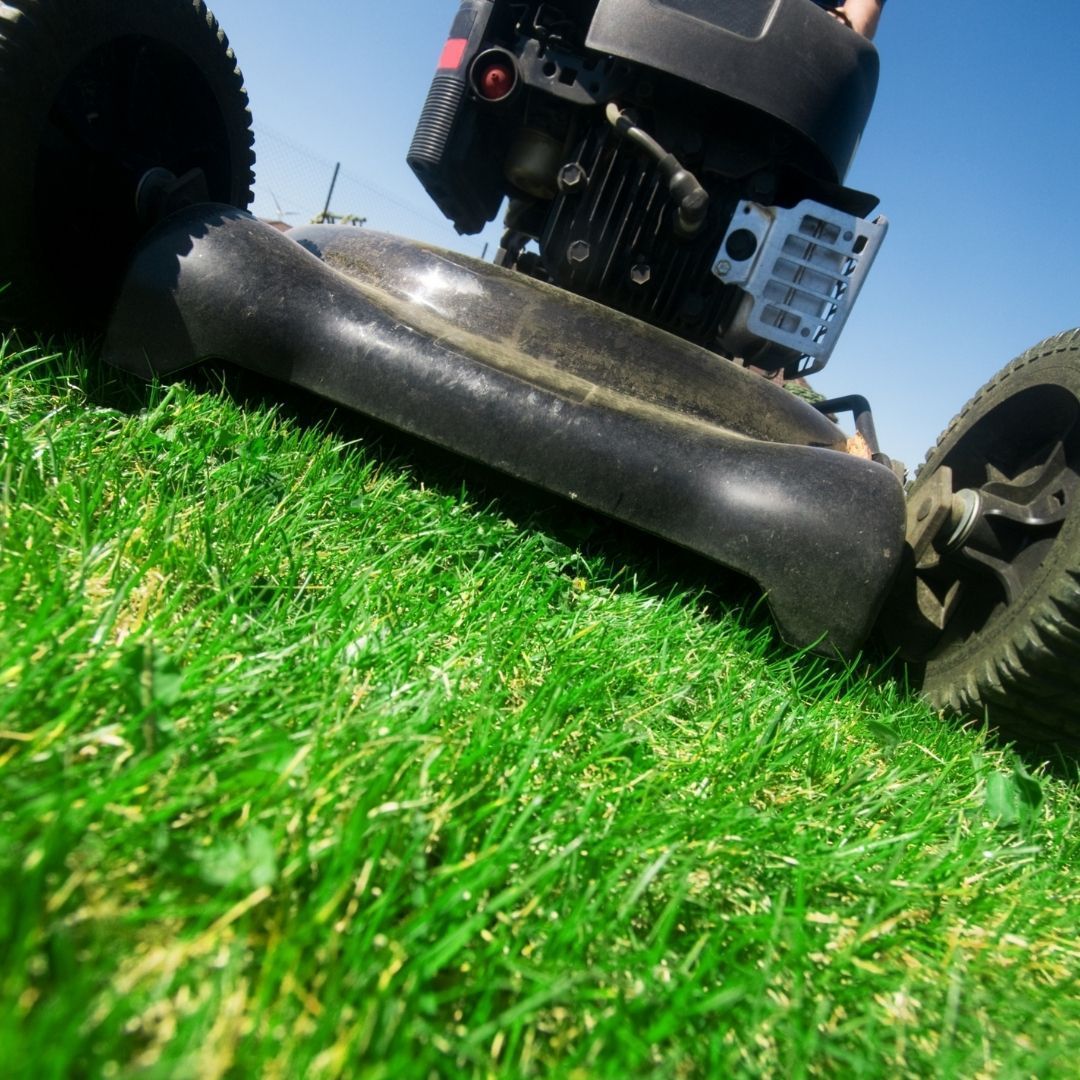
Low-angle view of a lawn mower cutting bright green grass on a sunny day
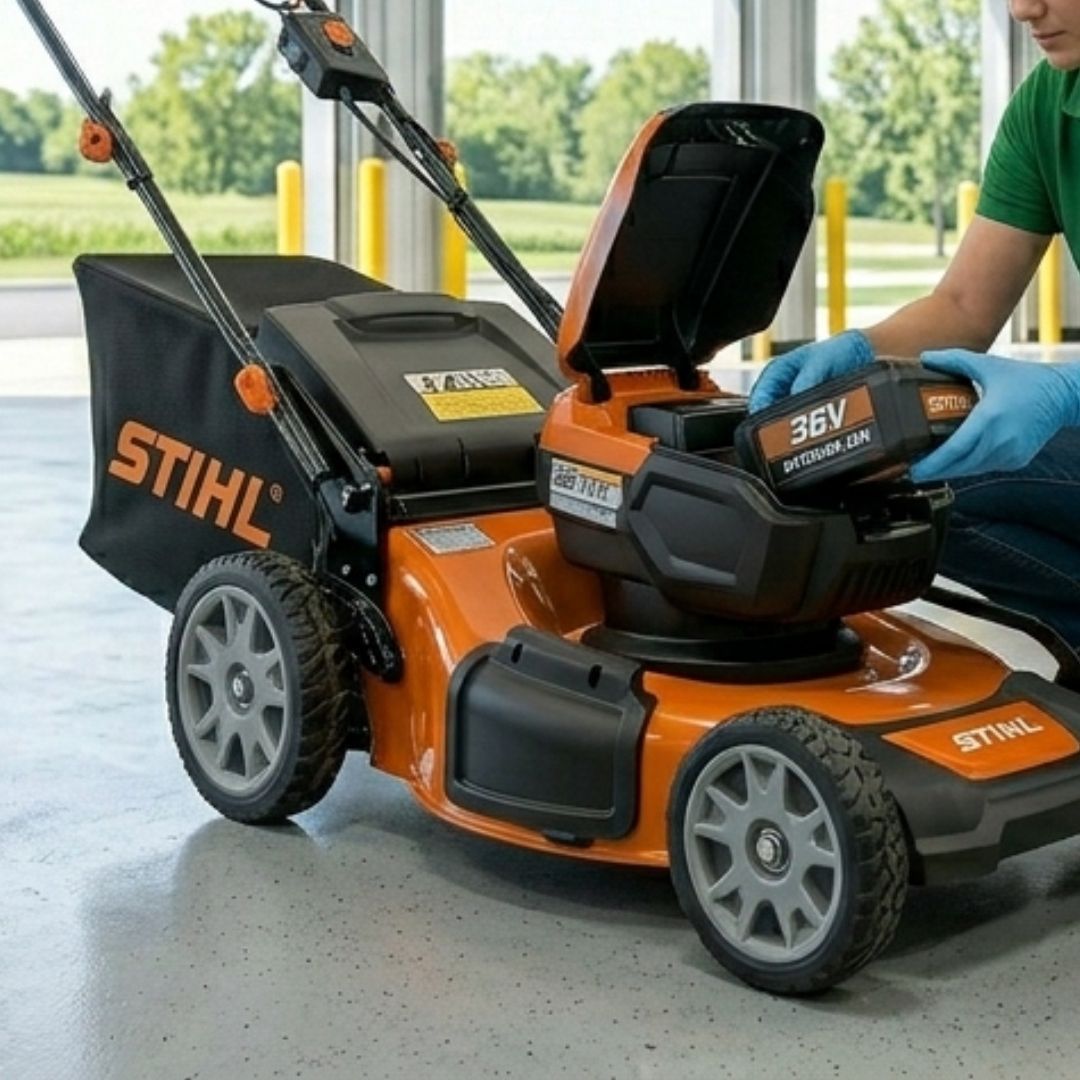
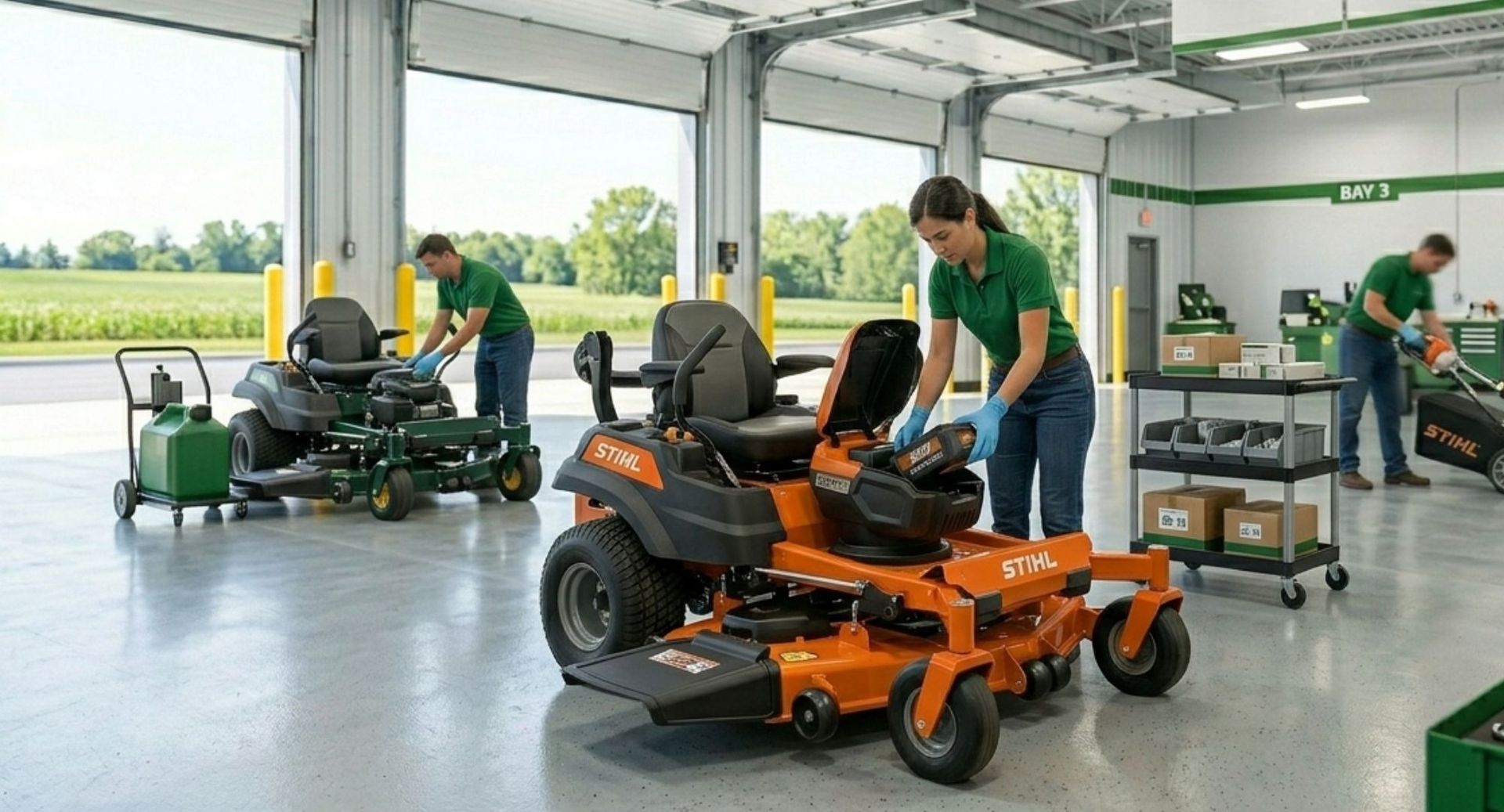
Person charging a STIHL electric riding lawn mower in a garage, with the battery compartment open.

Operating Range and Run Time


For large acreage, gas mowers offer unmatched refueling speed; simply add more fuel and continue working. This makes them the preferred choice for professional landscapers and expansive rural properties. However, Stihl battery models have revolutionized run times using interchangeable 36V batteries. For the average suburban lot, a single charge is often more than sufficient. Battery users benefit from a "click-and-go" workflow, eliminating trips to the gas station and the hassle of mixing fuel or managing stabilizers during the off-season.

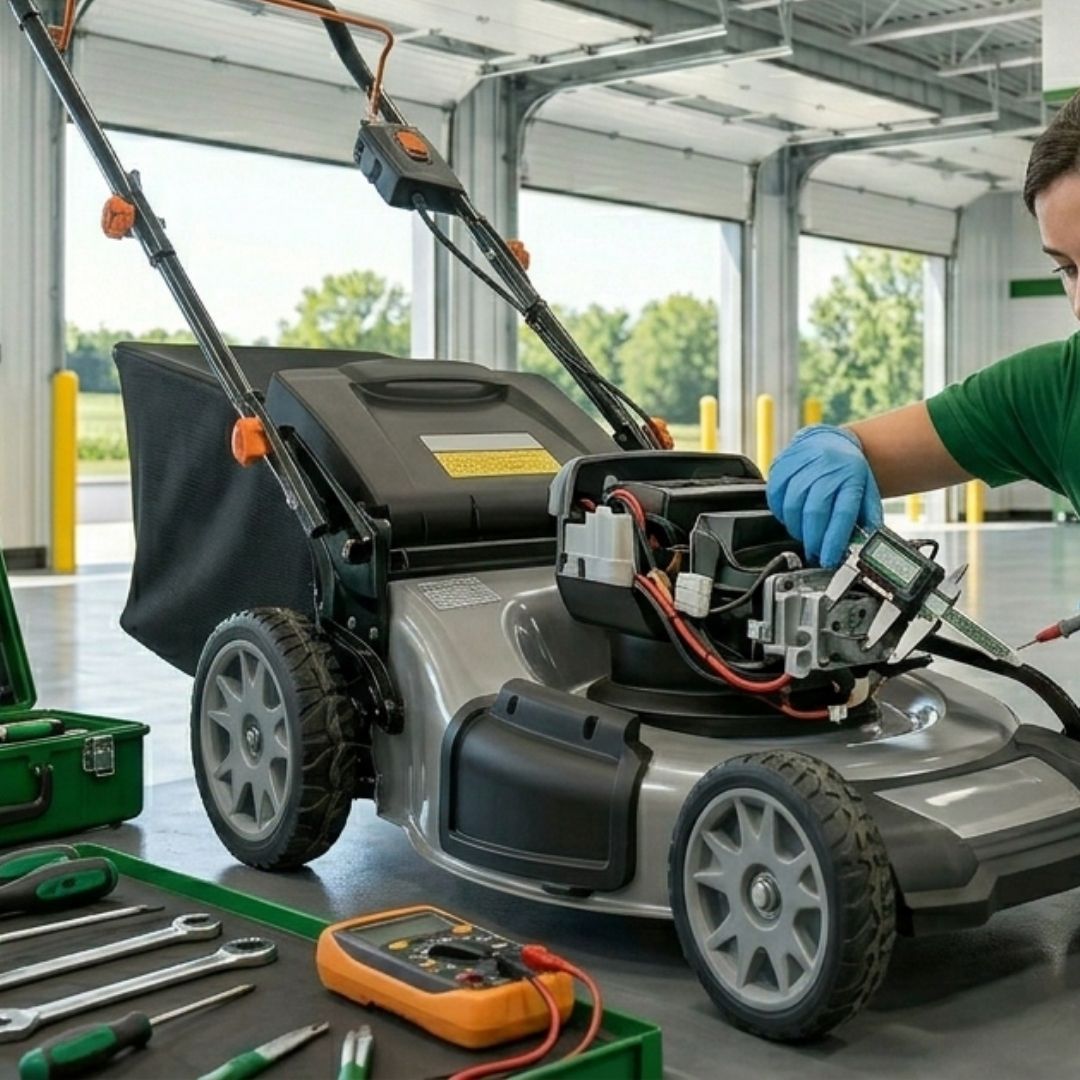
Person repairing a black electric lawn mower in a garage, with tools and test equipment nearby

Maintenance and Long-Term Reliability


Maintenance profiles differ drastically between the two platforms. Gas mowers require periodic oil changes, air filter replacements, and spark plug checks to maintain peak performance. These mechanical systems are robust and easily repaired by local technicians. Battery mowers virtually eliminate scheduled engine maintenance—there are no belts, filters, or oils to manage. While the initial investment for batteries and chargers can be higher, the long-term savings on fuel and service parts often make battery power a more economical choice over the machine's lifespan.


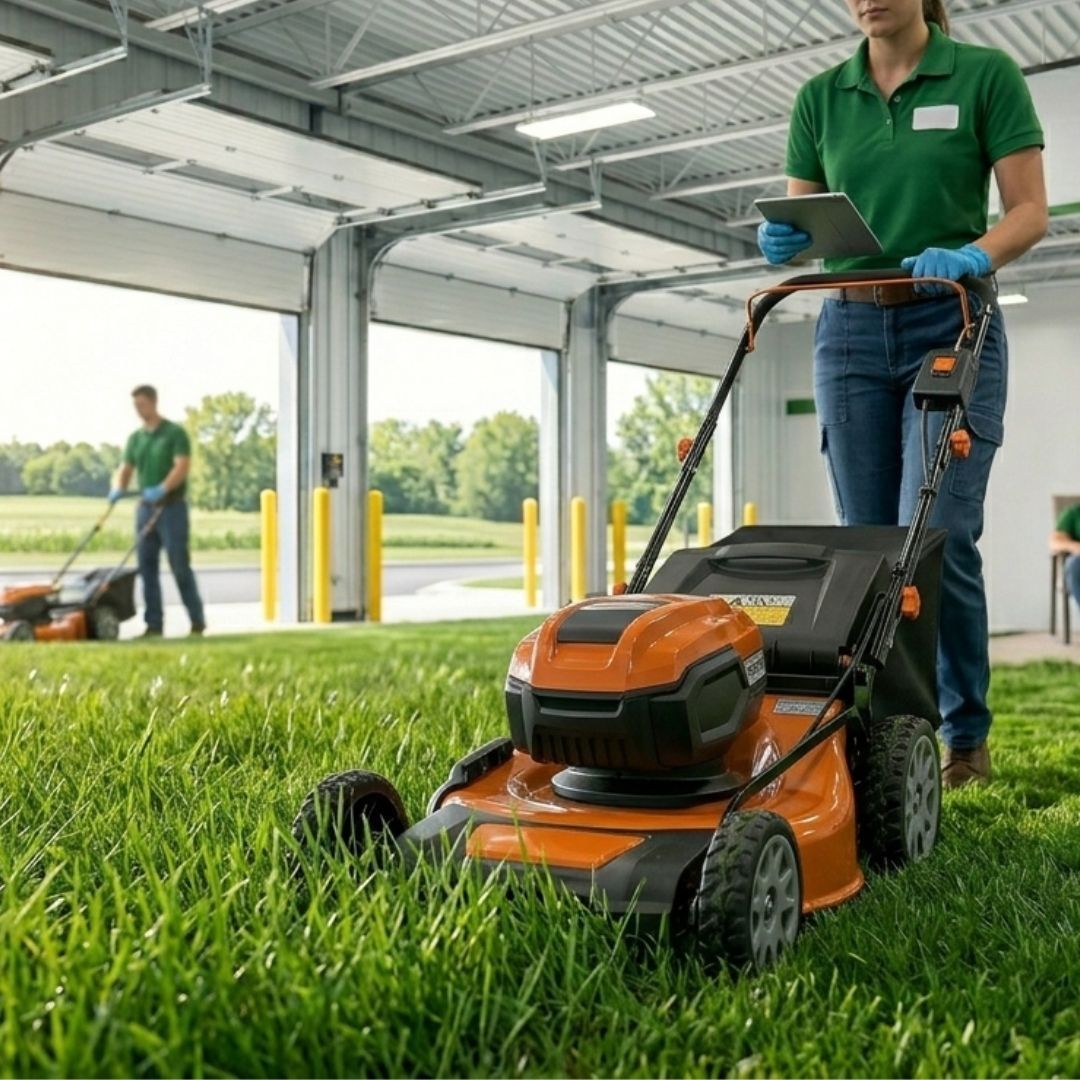
Person mowing tall grass with an orange push lawnmower in a covered outdoor area

Environmental Impact and User Experience


User comfort is where battery models truly shine. They operate with significantly less vibration and noise, allowing for early morning or late evening mowing without disturbing neighbors. Furthermore, battery mowers produce zero localized emissions, contributing to a cleaner environment. Gas models, while louder, provide a familiar tactile experience and the reliability of a platform that has been refined for decades. Choosing between them ultimately balances your desire for a quiet, eco-friendly operation against the proven, rugged versatility of traditional liquid-fuel power.


Find Your Perfect Match


Choosing between Stihl gas and battery power comes down to your specific lawn's demands. Both options offer the legendary durability that Stihl is known for worldwide. Ready to feel the difference for yourself? Visit Green Giant Sales and Service today to browse our full inventory of Stihl mowers and speak with our experts to find the perfect fit for your home.


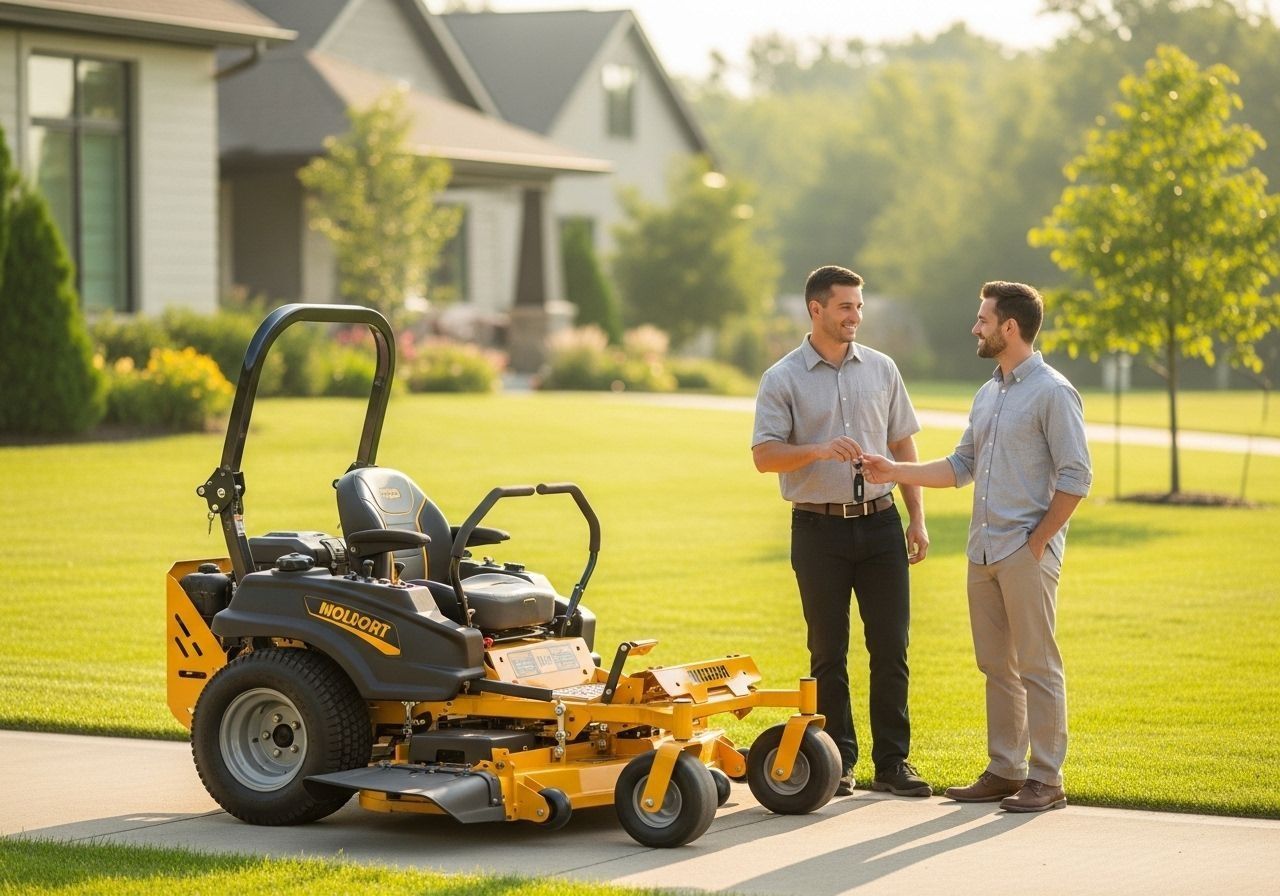
Two men talking beside a yellow lawn mower on a sunny suburban street with houses and green lawns.
August 19, 2026
Expert Knowledge and Professional Guidance  Local zero turn mower dealers employ specialists who live and breathe outdoor power equipment. Unlike general retail associates, our team at Green Giant understands the nuances of engine torque and deck width. We help you navigate our extensive inventory to find the exact model that fits your acreage, ensuring you never overpay for unnecessary features.
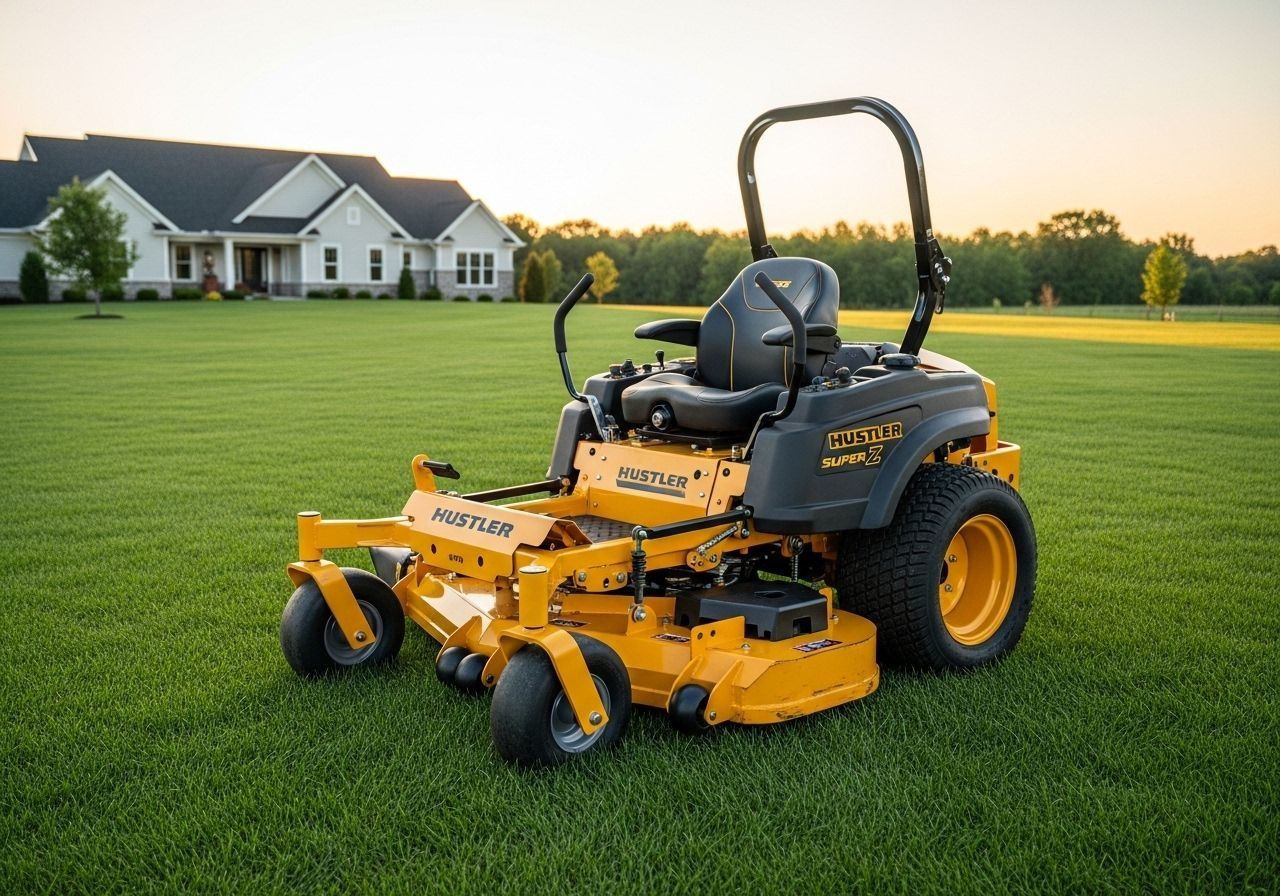
Yellow zero-turn mower on a green lawn with a house in the background
August 19, 2026
The Birth of the First Zero Turn  The original concept was born from a need for extreme maneuverability around farm obstacles. John Regier, the inventor, utilized mower parts and farm equipment components to create a machine that could turn 360 degrees on a dime. This breakthrough allowed operators to navigate tight spaces without the wide, awkward turns required by traditional tractor-style steering systems.
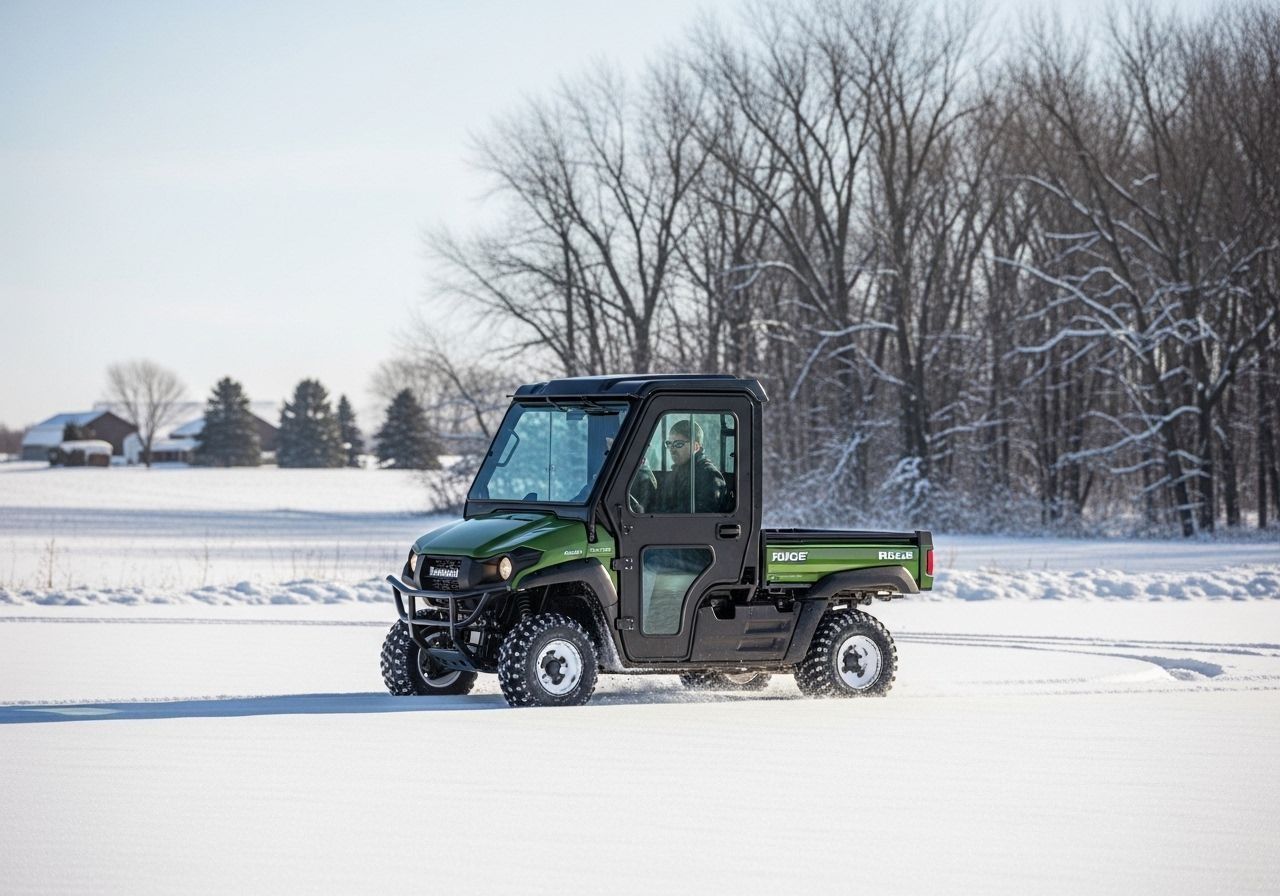
Green utility vehicle driving across a snowy field with trees in the background
August 19, 2026
Total Protection with a Factory-Sealed Enclosure  The foundation of winter comfort starts with the Kawasaki Ridge's precision-engineered, factory-sealed cab. Unlike aftermarket add-ons, this integrated system features high-quality doors, a glass windshield, and an insulated roof designed to lock out the biting Iowa wind. Staying dry and shielded from sleet or snow ensures you can focus on the task at hand.
Show More →